Draft Four: How would you rate the experience?
On delivering services (plus reading recs!)

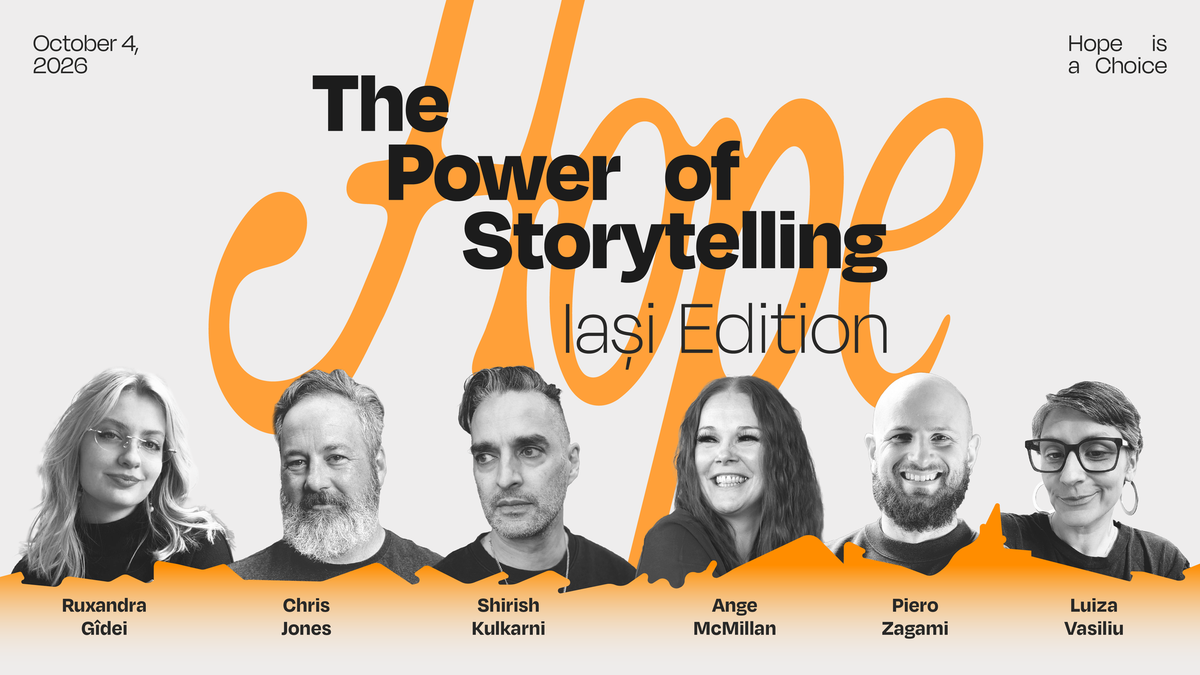
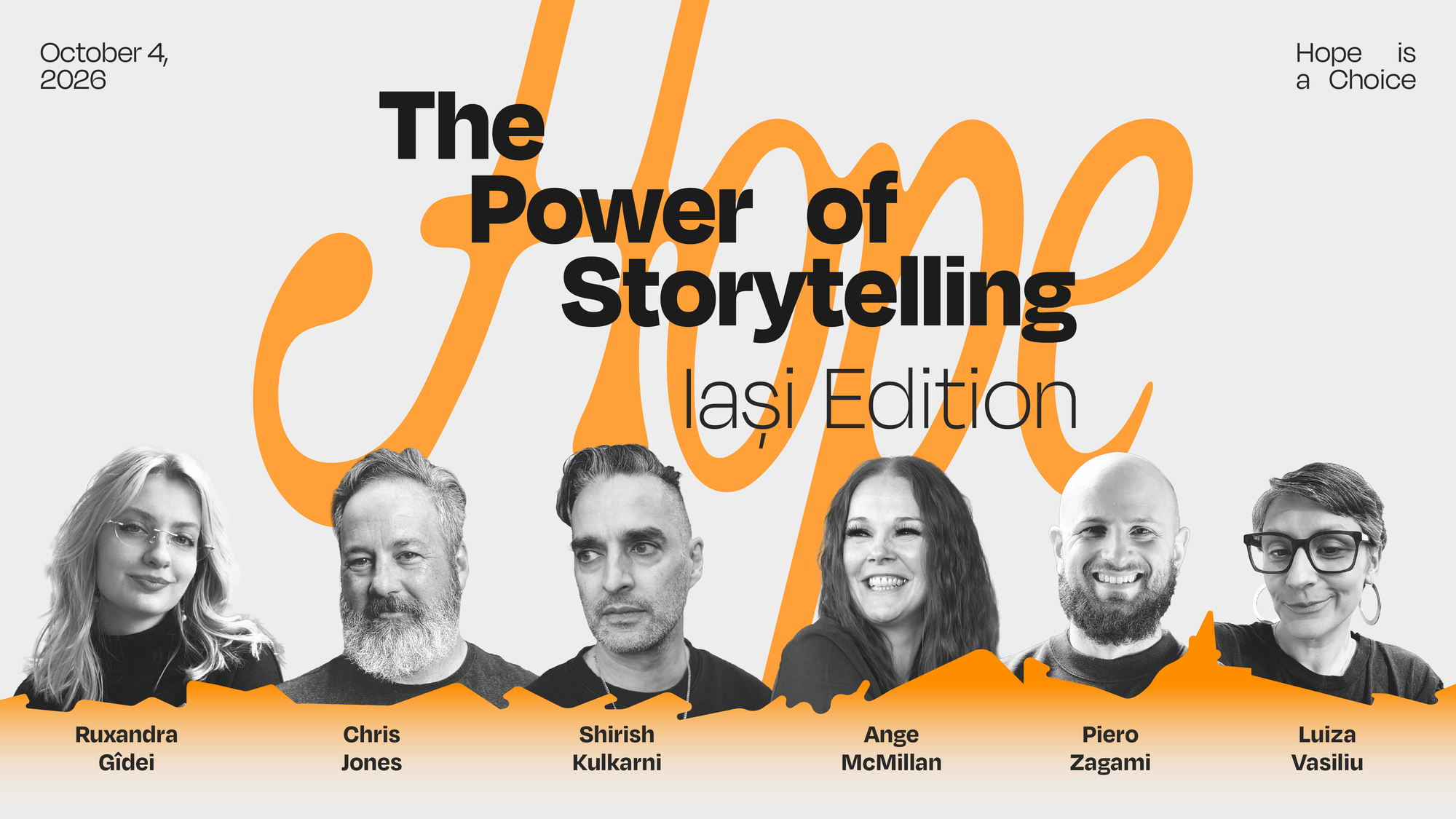
Before we start: We are in Iași on October 4. Tell you friends in the city we still have some tickets left; sign up today!
When I got to the private health clinic for my cardiology appointment, shifts were changing. There was one person working the reception, with others either coming or going. A line began to form by the time I was sent upstairs to wait for my 20 minutes.
Just before my scheduled time, a nurse came out and told me to go back down for an electrocardiogram, then handed me a ripped paper, my name scribbled in pen. This doesn’t look reliable, I thought while returning to cue once more. At the desk, they took the piece of paper and placed it on an empty tray. Someone will be with you soon, they added. I sat in the lobby, without any idea of how long this would take, where it would happen in, if this took time out of the appointment I had originally booked etc. I started overthinking: is a torn paper in a tray a good communication system? Is someone checking that? Have they been electronically pinged somehow? Should someone have walked the paper to an office?
When we’re getting a service – from a private clinic, but also from state institutions or even from events of all kinds (meetings included) – it’s this uncertainty that creates a burden. Personally, I have decided to trust the competency people: be generous and assume they are a good receptionist, nurse, doctor etc. But I am still overrun by anxiety because the flow is a black box, as if there are unwritten rules about how a patient or a citizen should behave, and shame on you for not knowing them.
After 10 minutes into the wait, I asked the desk for an update. They said someone is coming. Eventually, a nurse emerged out of a room, went to the tray, got the paper, summoned me to follow. This was my first ever EKG, where they lay you on your back, chest bare, and place suction-fitted wires on you to measure electrical signals in your heart. I got no information from the nurse on what was happening, just curt instructions: strip, lay down, wipe the gel off your chest.
I was handed a printout with lines going up and down and went back upstairs. My allotted time slot was now down to five minutes. When I entered the room, I could feel the doctor was rushing. She seemed a competent pro, with good reviews, mild mannered. But in a rush, jargony, and with little time to listen. She laid me down to check arteries, blood pressure, all while dictating to the nurse. None of the words made sense.
Her phone was also ringing incessantly – eventually she picked up. Some kind of emergency. She told the nurse they had to slot a case in now, even though they themselves didn’t know how or what that would mean to their already messed up schedule. When I got up, I didn’t realize I had gel on me again, and I buttoned my shirt over it.
You might have hypertension, they said. Check it daily for a week or so, do another round of blood tests to measure cholesterol, here is my WhatsApp, text me the results.
*
I left with a stain on my shirt, a possible diagnosis (of a “silent killer” disease), vague instructions about buying a machine to check blood pressure at home, and confusion about what the hell just happened, because it was so rushed. And, of course, a bill to pay on the way out, to add to the stress.
I tell you all of this not because it’s special, but precisely because this isn’t. This is daily experience of Romanians with almost all services. These were all professionals, capable of finding problems, and delivering solutions, put inside a system that delivers bad experiences. (In state run hospitals the doctors are often better, and the experiences exponentially worse.) I left the same feedback I always do: the doctor is competent, people were mostly polite, but because your clinic tries to squeeze out profit from all interactions, the experience is confusing at best, dispiriting at worst.
The experience, I’d argue, is essential for someone to understand a problem, and then to adhere or stick to the solution. If the experience sucks, the whatever you promise to deliver won’t get through or won’t have the intended effect or the desired consequence.
*
Currently I am in a great group coaching program with Adam Thomas, the Non-Linear Lab, built for people with too many passions. (I highly recommend you check it out; it also delivers a smooth and clear experience.) In one exercise, I had to plot the things I love to do, and I realized that I am very much into experiences: thinking about them, plotting them, but also analyzing and breaking them down.
This can mean the experience of a reader through a long story, of a resident navigating a city, of a participant settling into an event, of a colleague going through the onboarding process etc. Part of my interest comes from my temperament – being a slightly anxious introvert, I need and appreciate transparency and clarity, because they get the best out of me. But the other part comes from understanding that a reader, a member of the public, a client, a colleague, will be more open to the story, the product, the advice, the rules, if they have an experience that was thought through.
This has been increasingly on my mind, as an editor, designer of events, disgruntled citizen: we often have the means and the permissions in place, yet we fail to deliver on the service or experience. Some recent examples:
- In a restaurant dear to me, on a slow Sunday night, the waiter, who was not new, brought the wrong order, then insisted we had it wrong. He then returned to admit it was on them, but blamed the kitchen staff for cooking something else. He also failed to bring a round of drinks, and at the end brought the bill for another table.
- A friend launched a book, and, as the author, did most of the work for the publisher at the event itself. A few of us helped in an unofficial capacity, as we had some event experience: we moved tables around, told them where to set up shop, got water for the speakers. Still, basics snagged: the sound kept cutting off, people sat too far back because chairs were not set up (as nobody planned for success).
- My partner’s dad had a medical emergency, and the information of what medication was given were not communicated from the night shift to the day shift, leaving the family with the responsibility to monitor that the right care was transferred over.
- The new Romanian ID cards are electronic, but don’t have a physical address on them anymore. Some institutions faint when they see the new ID without an address so you, as the ID holder, have the burden of providing proof of residence – which you have to download when needed.
- Events aimed at the common good accept tobacco and gambling companies as sponsors. They neglect to light speakers on stage, altering the experience of the public, but go above and beyond giving editorial coverage or Instagram mentions to sponsors, as if they are the main beneficiary.
- I edited a story that comes out next week (look for it on Scoala9.ro) about whether the state delivers the necessary services to keep poor kids in school. It’s easy to say we neglect poor children. Yet, according to the laws and the programs, plenty of solutions exist on paper. But then the warm lunch ends up being a take-away cold dish, social benefits are dependent on criteria poor kids can’t meet (which also change yearly), and existing school transport picks up kids in neighboring villages but doesn’t have stops on the margins of town.
*
It’s deliberate that I put together experiences and services that range from what you could say are my whims („just get over it and eat the food, you entitled asshole”), to nuisances I should live with („hey, it’s a free event, why complain about the lights?”), to inexplicable system failures (“yes, but services exist, so it’s on the families to take advantage of them in the best way”).
For me, they sit under the same umbrella, albeit with different impacts and target groups. And that’s because they connect to the same grand questions: How can we designs systems that deliver on their promises? How can we provide people with experiences that allow them to focus on the content or the meaning? How can we deliver the services people are entitled to, without shifting the burden of responsibility for the quality?
*
I don’t have the answers, but for me these questions connect to the importance of reported long-form journalism. This was the most interesting work we did in our latter years at DoR – whether it was on poverty, discrimination, education, or domestic violence. We reported on the systems and the design of the programs, because the solutions were suddenly more obvious than they are when you just meme a minister on TikTok for being an idiot. They might be but replace them with another one who doesn’t understand the systems and the incentives, and nothing changes.
On paper, in Romania we often we have the laws or the rules, but we don’t enforce them or create the conditions for things to work.
The reason I’m writing about all this is because I’m circling this topic and would appreciate any and all perspectives: from a reaction (is this even something to care about?), to anecdotes about services or experiences delivered poorly, to anecdotes about success or interventions, to names of people who have been engaged in this fight for a while, to more philosophical or policy-minded thoughts about to how to untangle this, or how to present it to others.
🔻 So please reply, and I will read it, even if I might not answer on time (these letters can highlight my own failure to deliver connection as a service).
*
Also, please come see me and my team doing our best to deliver the best experience we can:
- In Iași, Sunday, October 4. (Ruxandra Gîdei will tackle reading initiatives as a systems problem, and Luiza Vasiliu will touch on birth as a service that clinics deliver with tremendous amount of pain and shame);
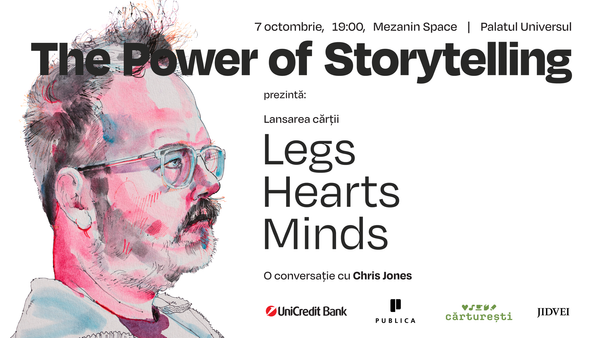
- In Bucharest, on October 7, for an intimate launch of Legs Hearts Minds, by Chris Jones.
- In Timișoara, on October 25, again for The Power of Storytelling. (Adam Thomas will talk about living a non-linear life, and Elena Stancu will make a case for depth in journalism in the era of the reel).
- In Bucharest, next April, for the 2027 edition of our storytelling gathering. Some early bird tickets are still available.
SIDE DISHES:
Book recommendations for this fall:
- Enter Ghost, by Isabella Hammad. (Also in Romanian). A Palestinian-born British actress returns to Haifa and gets cast in Hamlet, staged by the partition wall. The abuses of the Israeli state are manifold in the daily lives of the cast, and art becomes not just a vehicle for self-definition, but a relief from the injustice and absurdity of the occupation.
- Here Where We Live is Our Country, by Molly Crabapple. The Jewish Bund was a political faction born in the late 1800s to fight for Jewish labor rights in the territory of today’s Poland, Ukraine etc. They were socialists, anti-Zionists, and they believed in solidarity and making a life in the place they lived – which made them a target of… almost anyone, from Russian communists, to Nazis, to Zionist Jews. Their rise and fall is both hopeful, heartbreaking and instructive.
- The Running Ground, by Nick Thompson. Can you become a faster runner as you age? Thompson is the CEO of The Atlantic, and also one of the best amateur runners in the world. His answer is an emphatic “yes”, and the book recounts how he did it, and where running sits in his life and the purpose it has to keep him on track – as a father, as a husband, as a journalist.
- Strangerland, by Monika Radojevic. “What if love takes you far from home?” asks this debut novel, inspired by the story of the author’s parents. We’re in London, in 1990. Zivoin is a Montenegrin trying to build a life as his home country of Yugoslavia is unraveling. Alegria is a Brazilian trying to make money to alleviate her family’s debts. Can these two immigrants make it work?